
In the world of real estate, when the topic turns to major renovations, the first image that comes to most people's minds is those complete overhauls of suburban homes in the U.S., where a specialized crew practically rebuilds the entire property after tearing it down. This strategy, known as flipping, is facilitated in the U.S. by the modular structure of homes and the use of wood as the primary building material, with countless famous television programs showcasing the process.
Flipping can be understood simply as the process of buying a property, renovating it, and selling it within a short time window. The experienced investor in this strategy is usually able to acquire a property in poor condition at a good price, deploy capital for renovations, and make it available for sale within a short period, sometimes achieving profit margins above 60%.
This strategy, though famous and offering meaningful return potential, carries considerable risk due to the magnitude of the investment and the scope of the work required. There is a less risky alternative strategy for "forcing" the appreciation of properties, called "value-add," widely used by professional investors in the U.S.

What are the main differences between value-add and traditional flipping?
While flipping is commonly applied to houses and is characterized by extensive renovation work, value-add is the strategy used for larger commercial assets, encompassing not only multifamily communities but also offices, hotels, shopping centers, self-storage, and many others. The strategy spans a much broader range of options, since it involves not only physical improvements to the properties but also studies to reduce expenses, efficient management of tenant leases (whether residents or businesses), and even an appeal to the local government to reduce the property tax (property tax, the U.S. equivalent of Brazil's IPTU).
In addition, with flipping the most common approach is a complete transformation, since it generally involves a single-family property. With value-add strategies, by contrast, an in-depth study is conducted to assess which changes will generate the greatest financial benefits, the so-called return on investment (return on investment, or ROI). This is a more sophisticated and complex approach, which is why the strategy is applied by specialized, mid-sized to large firms.
Why we like value-add
Many factors give the value-add strategy an edge when it comes to U.S. real estate investing. First, because the property improvements take place while the property is in operation, there is no loss of the entire rental cash flow for investors during the period of improvement work.
Along the same lines, while value-add strategies make it easier to project the impact of each improvement on the increase in cash flow to the investor, and changes can be tested throughout the process, with flipping it is far more difficult to predict the property's market value after the work, and how much each dollar invested will return.
Another relevant point is the players in these markets, because while flipping is usually carried out by smaller, less professionalized firms, since renovating houses requires far less financial capacity, value-add is used by professional operators, deeply knowledgeable about the market niches in which they operate and backed by professional, experienced teams, as is the case with the operators accredited by Ativore.
Examples of investments by operators accredited by Ativore
Orlando Bridgewater
Bridgewater is a multifamily community located in Orlando (FL), acquired in October 2016. Its value-add strategy comprised work on the community's common areas, such as tennis courts, the drainage system, the tenant lounge area, and the leasing center, in addition to renovating the interiors of all 344 units. As a result, in just over 4 years, the occupancy rate rose from 90% to a stable 96%, with the average rent increasing from US$ 940 to US$ 1,150.
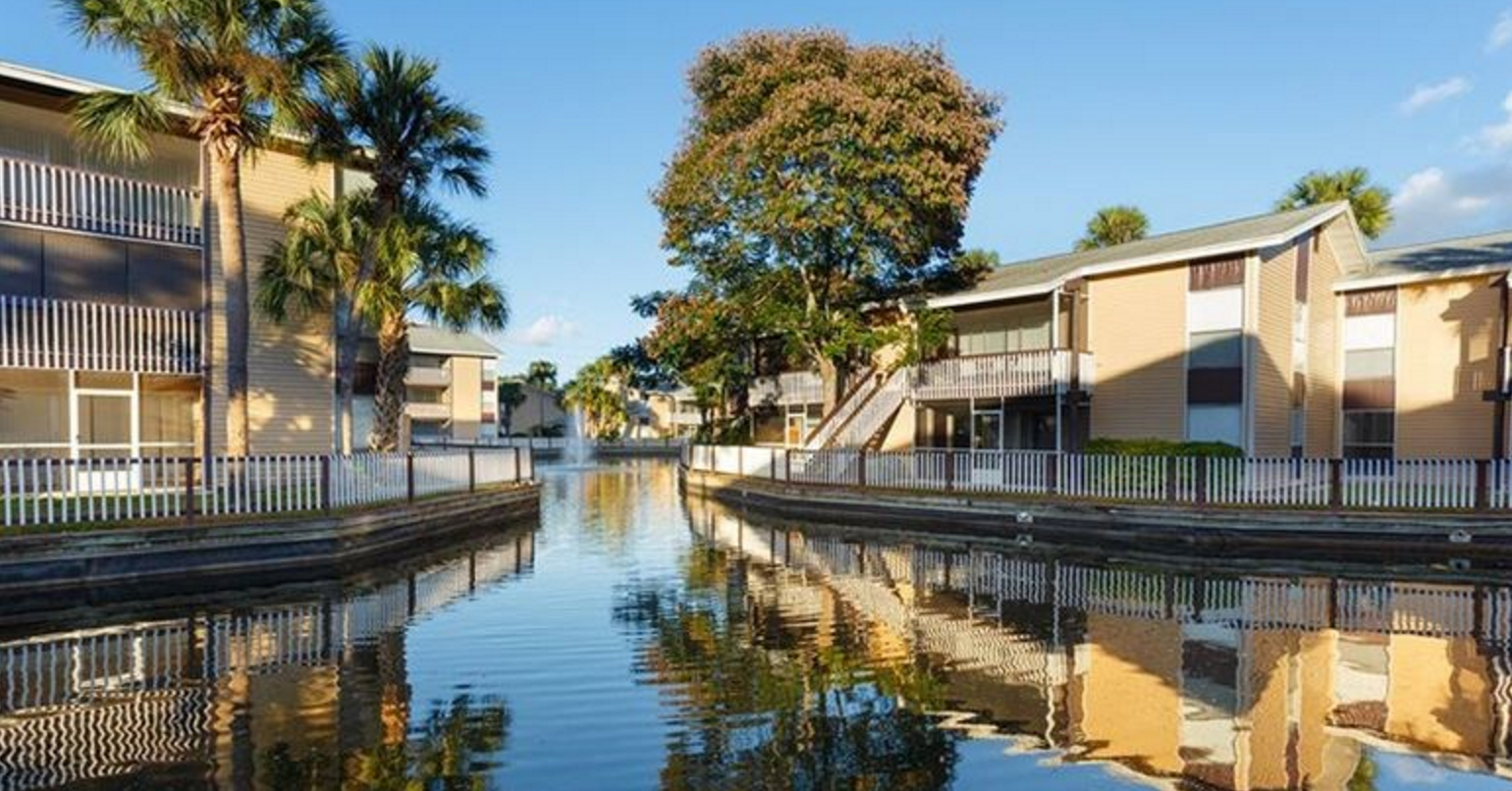
The property's net operating income saw strong growth, from US$ 3.3 million to US$ 4.8 million per year, a 45% increase, while expenses rose at a rate of only 18% thanks to the operator's cost-control and efficiency measures.
Thus, after stabilization, the property, which had been acquired for US$ 34 million, was sold for US$ 52 million, which, together with the recurring quarterly distributions, delivered an Internal Rate of Return (IRR) of 29.4% to its investors, an excellent result.
Self-storage fund I – 1308 South Point Road
Another recent case was the sale of 1308 South Point Road, one of the ten properties that made up a portfolio of one of the operators accredited by Ativore. This self-storage facility located in Belmont (NC) had 233 units of various sizes, rented out to people who wished to store their belongings, a very common practice in the U.S.
The value-add strategy included, in addition to renovating the common areas, the implementation of technology in an automated rental system. This made it possible to reduce labor expenses, as users could select, rent, pay for, and store their items independently and without any contact with another person. In addition, the 24/7 system became a strong differentiator compared with other properties that have limited operating hours.
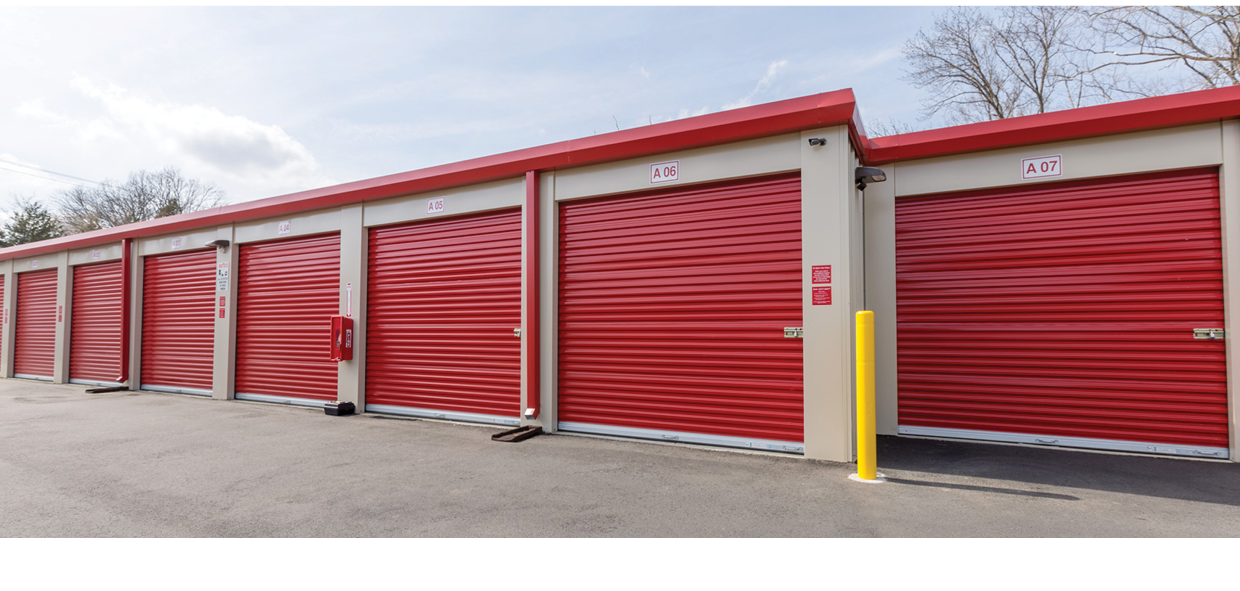
The success of the strategy generated an increase in the property's net operating income (NOI) of around 50%, from US$ 120,000 to US$ 180,000, with an increase in the occupancy rate from 75% to 88% and a sharp decline in expenses driven by a technology-enabled, efficient operation.
As a result, in just 3 years the property saw strong appreciation, having been sold for US$ 2.4 million against an acquisition cost of US$ 1.3 million. In addition to all the cash flows generated and distributed to investors over the period, the project reached an incredible IRR of 54%.