In times of greater uncertainty and profound paradigm shifts in the real estate segment, such as the move toward flexible work (Work From Home), the search for defensive assets, in the face of these changes, becomes a natural path for real estate investors in the U.S.
In this context, two types of properties have stood out as particularly attractive to experienced real estate investors in the U.S.: Flex/R&D Assets[1] and Life Sciences Properties.
Flex/R&D and Life Sciences Properties
The Flex/R&D asset segment, as the name suggests, is made up of flexible assets that usually combine characteristics of industrial research properties and offices. They are, therefore, assets intended for companies seeking spaces for research and development of new products and technologies, but that also want to consolidate, under a single structure, their corporate, production and distribution functions.
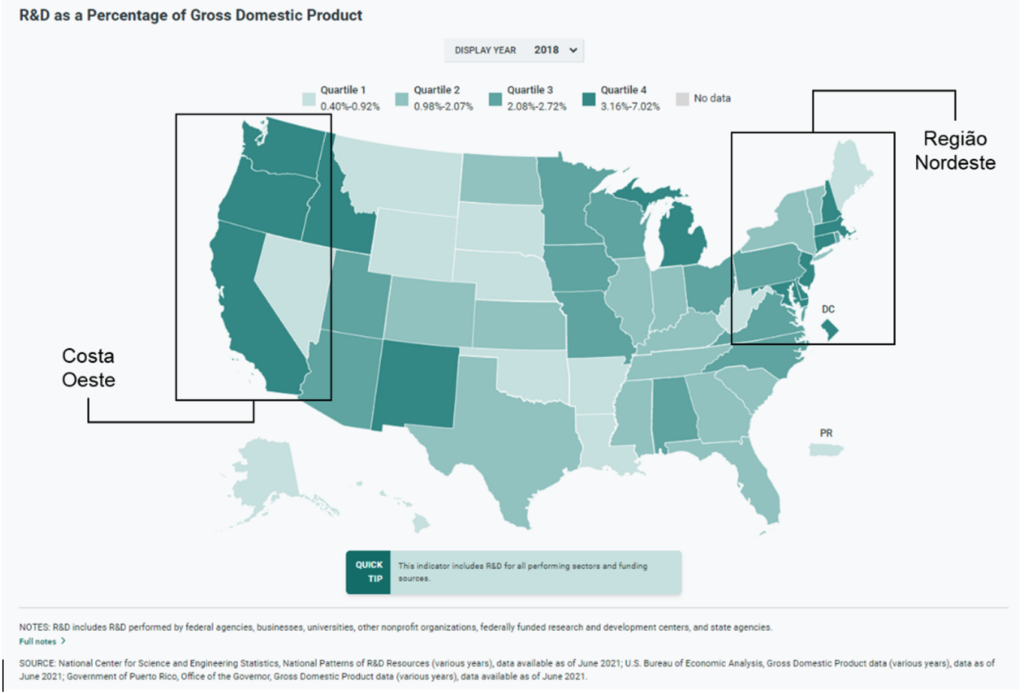
In terms of location, the Northeastern states and the states of the U.S. West Coast stand out as those that invest the most in R&D as a proportion of their respective GDPs. In these regions, in addition to the large volume of available capital, you find some of the most prestigious teaching and research institutions in the country: Harvard University, MIT, Yale, Stanford, among many others. This factor is fundamental to forming a pool of qualified labor, one of the main drivers of companies' decisions regarding the location of their research centers.
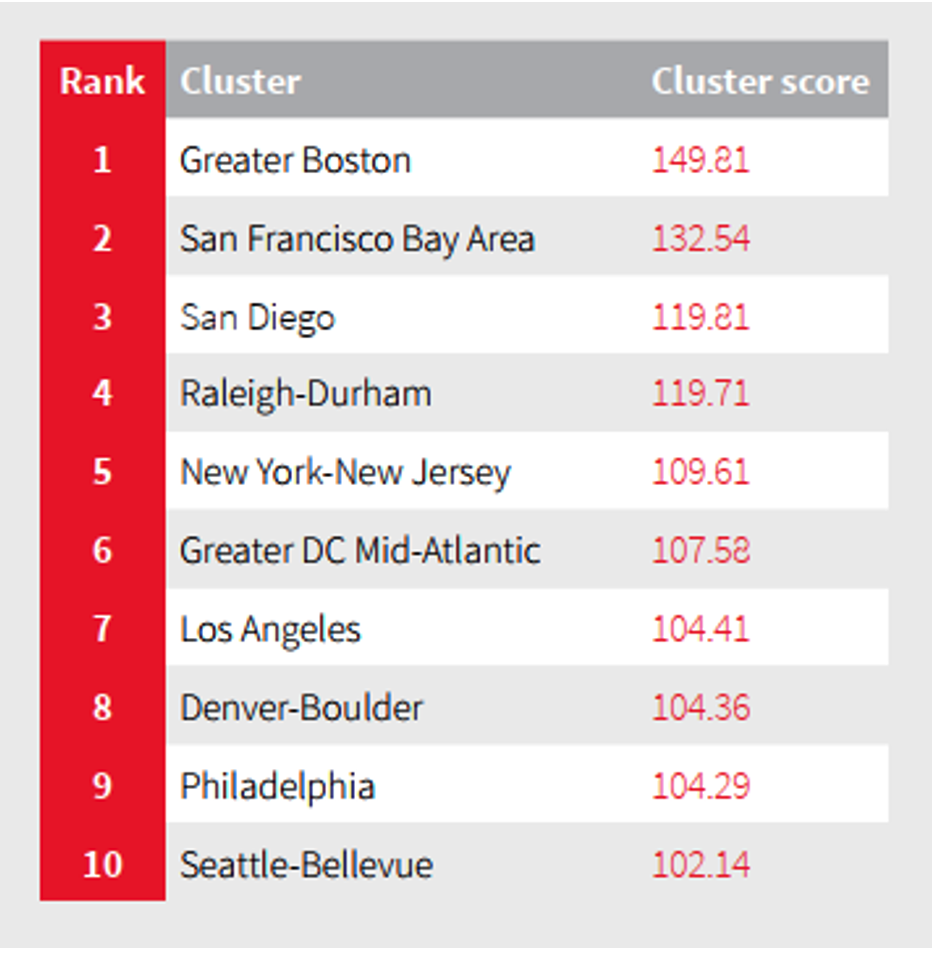
Not by chance, the ranking compiled by the real estate consultancy JLL on the best markets for Life Sciences properties is dominated by cities in these regions.
Conclusion
Compared to the Brazilian real estate market, the U.S. market is enormous, more professionalized and more diversified. There are, therefore, much more specific asset subsegments, such as Flex/R&D Properties and Life Sciences Properties which, if selected carefully, can combine both excellent returns and long-term protection for the investor, in the current context of profound paradigm shifts underway in the real estate market.
[1] Pesquisa e Desenvolvimento (P&D) is equivalent to the English version Research and Development (R&D).